
Veneto
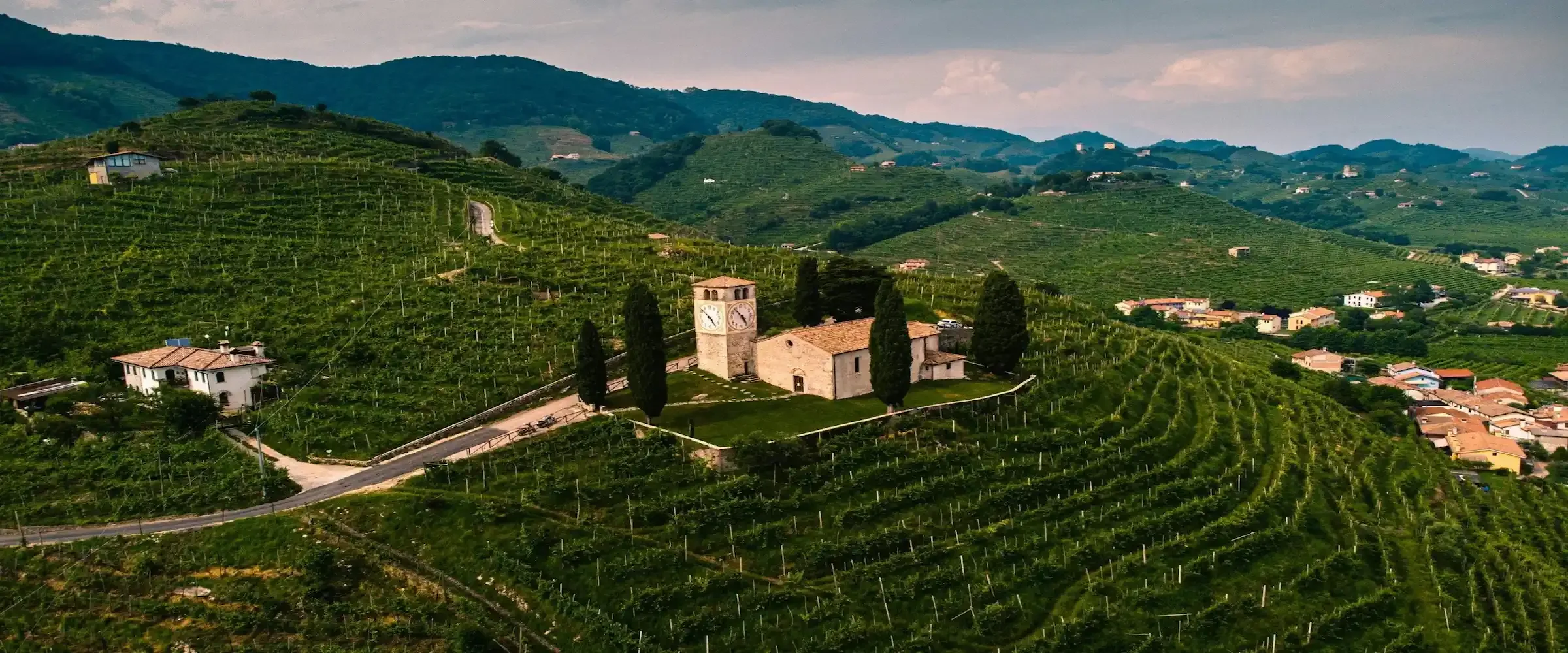
Beyond the canals of Venice lies one of Italy's most diverse wine regions—from Valpolicella's ancient pergola-trained vineyards producing Amarone to the Prosecco hills of Conegliano Valdobbiadene, recently designated UNESCO World Heritage. Our access includes historic estates crafting benchmark Amarone della Valpolicella, intimate grower-producers in Soave Classico, and fifth-generation Prosecco families whose allocations never reach export markets. Experience the Veneto through private tastings of library Amarone, estate tours revealing appassimento traditions, Venetian art beyond San Marco, glassblowing workshops in Murano, and the cultural richness of a region where winemaking and Venetian history intertwine.
CULINARY ARTS
Stirring risotto al Amarone in a farmhouse kitchen until the rice turns deep purple and the wine perfume fills the room, hopping between bacari for cicchetti along Venice's hidden canals — tiny plates of creamed baccalà and sardines in saor with a glass of ombra at each stop, watching cheesemakers in the Asiago plateau press curd by hand in mountain dairies where the Alpine pastures flavor the milk before the craft even begins, walking Treviso's radicchio farms during the late harvest when the bitter red leaves are pulled from dark forcing sheds and washed in spring water — a process the Veneto guards fiercely, standing at the Rialto fish market at dawn as crates of soft-shell crab and cuttlefish and tiny shrimp from the lagoon are sorted by fishermen who've worked these stalls across generations.
CULTURE & LEISURE
Walking through the Doge's Palace after hours when the tourists are gone and the candlelit rooms feel exactly as they did when the Republic's secrets were decided behind these walls, stepping onto St. Mark's Basilica terrace at sunset where the gold mosaics glow above the piazza and the view across the lagoon belongs to you alone, touring Palladian villas with architectural historians who explain why these country houses changed the way the entire Western world thinks about proportion and light, learning to row standing up in a traditional batellina the way Venetians have navigated these canals for centuries, an evening at La Fenice — rebuilt twice from fire and still one of the most intimate opera houses in Europe, boat excursions through the quieter lagoon islands where Murano's furnaces glow orange at dusk and Burano's fishermen's houses line the canals in impossible colors.
ARTISAN TRADITIONS
Watching a Murano glass master gather molten glass on the end of a blowpipe and shape a vase in sixty seconds using techniques the Republic once guarded under threat of death, sitting with lace-makers on Burano who work with needles so fine the stitches are nearly invisible — a craft that once dressed European royalty and now survives in only a handful of hands, stepping into a Venice mask atelier where every Carnevale creation is still sculpted and gilded by hand in workshops hidden down alleys tourists never find, visiting one of the last squeri where gondolas are built and repaired from eight different types of wood — each curved plank shaped without a single nail, pressing marbled paper in a Venetian workshop where the swirling patterns floating on the water's surface look different every single time, restoring Byzantine mosaics alongside conservators who spend years on a single wall — fitting tessera by tessera the way craftsmen did a thousand years ago in the basilicas above them.