
Ribera del Duero
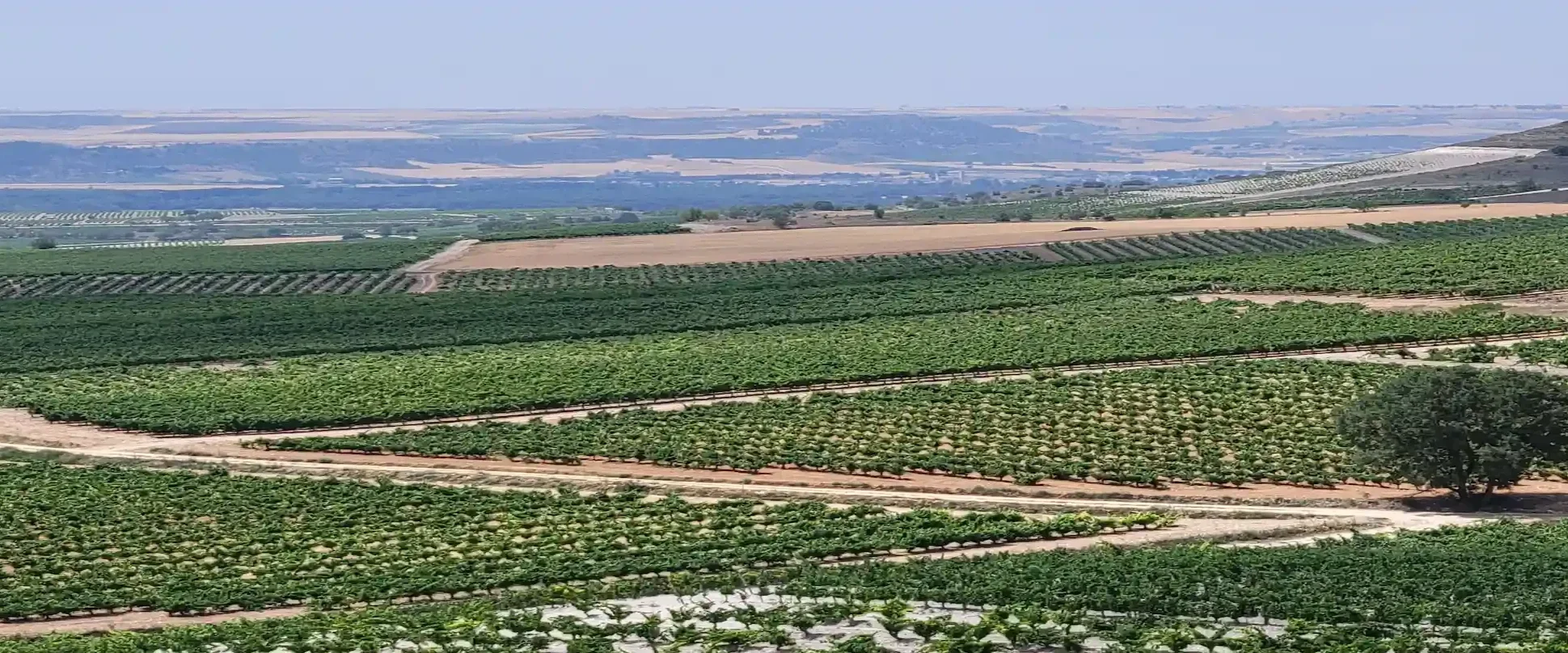
At 800 meters above sea level on the vast Castilian plateau, Tempranillo achieves a power and structure found nowhere else in Spain — shaped by scorching summers, freezing winters, and the kind of extreme continental climate that breaks lesser grapes but forges Tinto Fino into wines of extraordinary depth. This is the region that gave the world Vega Sicilia, Spain's most legendary estate, and over the past century a constellation of producers have followed — from historic bodegas whose reputations rival the great châteaux of Bordeaux to a new generation of winemakers crafting single-vineyard wines from ancient bush vines that are rewriting the region's future. Our relationships provide access to private tastings at estates whose allocations disappear before they reach export markets, library vintages pulled from underground cellars carved into limestone, roasted lechazo (milk-fed lamb) at centuries-old mesones where the wood-fired ovens have never gone cold, visits to Peñafiel's 10th-century castle towering above the Duero River, and the austere medieval beauty of Castilla y León — a landscape as uncompromising as the wines it produces. Wine provides access to Spain's most historic heartland.
CULINARY ARTS
Lechazo asado — roast milk-fed lamb slow-cooked in century-old wood-fired clay ovens at traditional asadores where families have tended the same fires for generations, morcilla de Burgos workshops learning the art of Spain's most celebrated blood sausage in the city that perfected it, Manchego cheese production visits at artisan dairies aging wheels in ancient caves, cecina de León tastings — air-dried beef cured in the mountain winds of León that rivals Italy's bresaola in complexity, Spanish olive oil tastings from groves along the Duero River valley, traditional Castilian stews like sopa castellana and cochinillo preparation, wine-soaked regional tapas experiences in the medieval taverns of Aranda de Duero — home to miles of underground cellars originally built for wine storage, and visits to Peñafiel's market where local producers bring seasonal ingredients from across the meseta
CULTURE & LEISURE
Climbing to the top of Peñafiel's tenth-century castle — a stone ship riding the ridge above the town — where the wine museum inside tells the story of a region that has aged Tempranillo in these cellars since before Bordeaux had a classification, wandering Burgos Cathedral's impossible Gothic interior where the light falls through rose windows onto the tomb of El Cid and every chapel reveals another century of Spanish ambition, exploring Sepúlveda's medieval streets perched above a gorge where the village feels suspended between sky and river and time stopped somewhere around the fifteenth century, kayaking the Hoces del Río Duratón canyon beneath towering limestone walls where griffon vultures circle above a Romanesque hermitage carved into the cliff face, visiting the monastery at Santa María de Valbuena — a twelfth-century Cistercian abbey set among vineyards where monks planted the vines that started everything in this valley, hunting for black truffle in the oak forests of Soria when winter settles over the meseta and the cold air sharpens every scent.
ARTISAN TRADITIONS
Watching potters in Peñafiel shape clay using techniques that trace back to the Moors — the same earth tones that color the castle walls and the vineyards below, visiting coopers who specialize in the French and American oak that defines Ribera del Duero's bolder, more structured style — a deliberate choice that separates these wines from Rioja at the barrel, leather artisans in the Castilian tradition crafting botas and saddlework in workshops where the smell of cured hide and the tools on the wall haven't changed in centuries, weavers in villages along the Duero working wool on wooden looms into the heavy mantles and blankets that shepherds carried across the meseta during the transhumance, stepping into a blacksmith's forge in one of the medieval pueblos where iron is still hammered into hardware and tools — a craft that survived because these villages never had a reason to stop.
FROM THE PRODUCERS TABLE
The relationships behind the region. Each profile is a first-hand account from years of direct work with the family
Bodegas Emilio Moro
A fourth generation family producing from some of the oldest vines in Spain