
Priorat
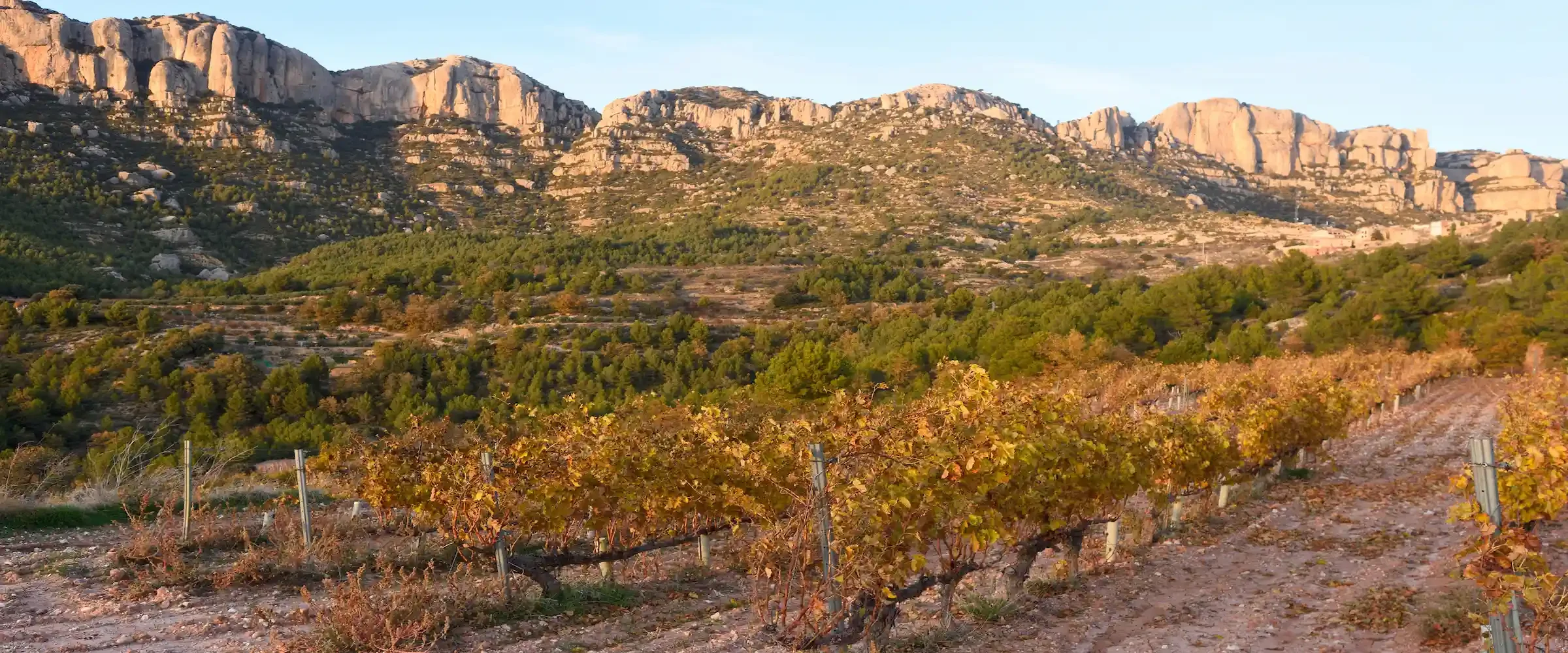
Dramatic slate hillsides where ancient Garnacha and Cariñena vines cling to some of Europe's steepest terraces, and a handful of visionary winemakers who transformed a forgotten corner of Catalonia into one of Spain's only two DOCa classifications—Priorat represents ambition, terroir, and wines of extraordinary concentration born from llicorella slate that shatters like broken pottery underfoot. Our access includes pioneers like Álvaro Palacios whose L'Ermita redefined Spanish fine wine, historic cooperatives where village winemaking traditions survived centuries of neglect, small producers farming vertiginous vineyards by hand where no machine can reach, hiking through the dramatic Montsant mountain landscape, visits to the Carthusian monastery of Escaladei where monks first planted vines in the 12th century, and Barcelona's architectural masterworks just ninety minutes away. This is Spain's most distinctive wine landscape—where the land demands everything and the wines give it all back.
CULINARY ARTS
Priorat's culinary identity reflects its mountain character — rustic, honest, and deeply rooted in the land. Wood-grilled lamb and rabbit at village restaurants where winemakers gather after harvest, olive oil tastings from ancient Arbequina groves that share the hillsides with vines, almond and hazelnut harvest experiences, traditional Catalan escudella stew preparations, and local honey producers working the garrigue-covered slopes. The region's proximity to Barcelona — just ninety minutes away — opens access to one of Europe's most celebrated dining cities, from Michelin-starred tasting menus pushing the boundaries of Catalan cuisine to iconic tapas restaurants where families have perfected single dishes for generations.
CULTURE & LEISURE
The Carthusian monastery of Escaladei — where monks first planted vines in the 12th century and the ruins still stand as Priorat's spiritual origin story, hiking through the dramatic Montsant mountain range with its towering rock formations and panoramic views across terraced vineyards, the medieval village of Siurana perched on cliff edges above a turquoise reservoir, quiet walks through Priorat's ancient stone villages where time moves at a different pace, and the Serra de Montsant natural park's trails winding through garrigue and wild herbs. Barcelona's cultural riches sit just ninety minutes away — Gaudí's Sagrada Família and Casa Batlló, the Picasso Museum, the Gothic Quarter's medieval streets, and the Joan Miró Foundation on Montjuïc. Closer to the region, Tarragona's remarkably preserved Roman amphitheatre and UNESCO-listed ruins offer a powerful afternoon detour, and the coastal town of Sitges provides beaches, galleries, and Belle Époque architecture for a day of Mediterranean contrast after the intensity of Priorat's mountain landscape.
ARTISAN TRADITIONS
Llicorella slate craftsmanship — watching local artisans work with the same fractured stone that defines Priorat's terroir, traditional dry stone wall construction that has shaped the region's terraced vineyards for centuries, olive oil production from ancient groves sharing the hillsides with Garnacha vines, almond and hazelnut processing using traditional methods passed through generations, and small-batch pottery and ceramics in nearby villages. The nearby Penedès region adds cork production facilities and Cava disgorgement demonstrations, while Barcelona — just ninety minutes away — opens access to Catalan mosaic tile workshops continuing the trencadís tradition made famous by Gaudí, leather artisans in the Gothic Quarter's Oltrarno-style workshops, and centuries-old craft traditions throughout the city's historic neighborhoods.