
Tequila & Mezcal
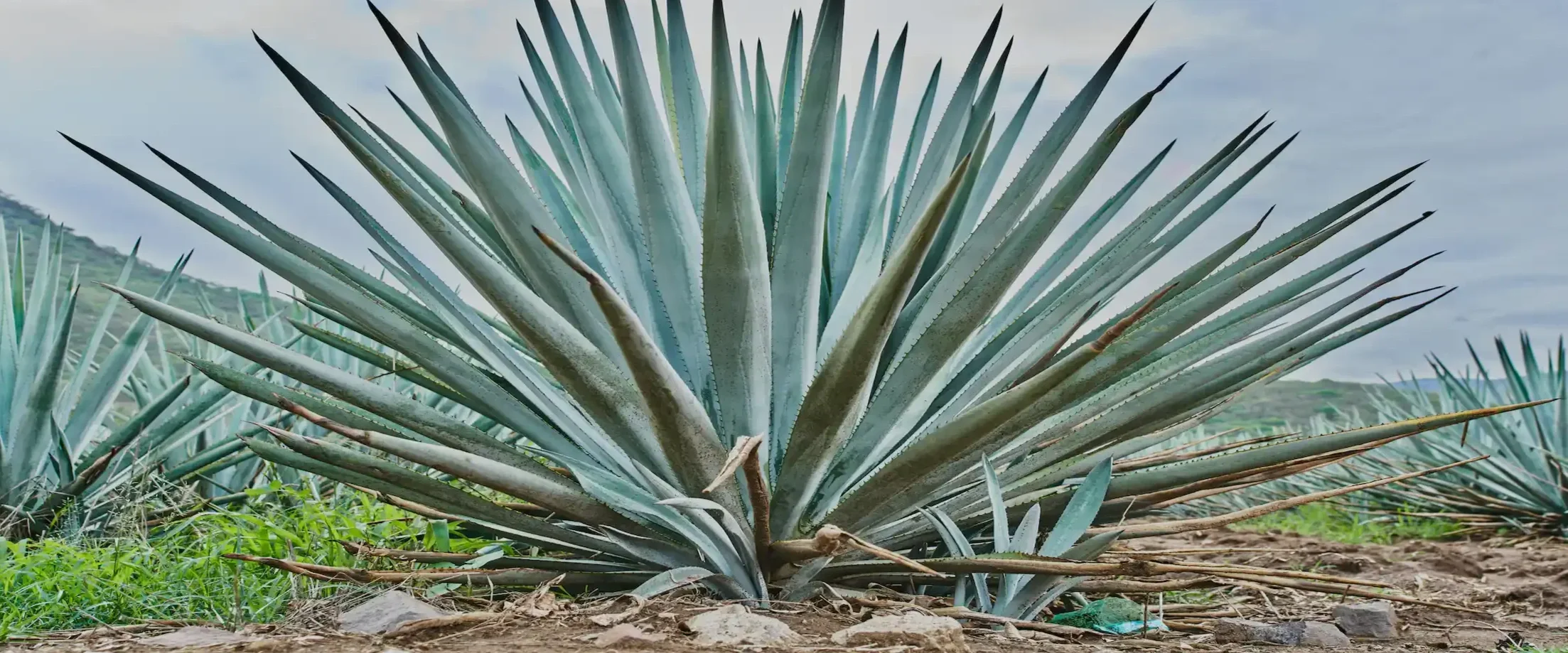
Long before the Spanish arrived, indigenous Mexicans were fermenting agave into pulque — a sacred, milky drink central to Aztec and pre-Aztec ritual for at least two thousand years. The agave plant itself was revered, named for Mayahuel, the goddess of fertility who was said to have four hundred breasts, each producing a different intoxicating drink. When Spanish conquistadors brought copper pot distillation to Mexico in the 1500s, they applied it to what the indigenous population had been fermenting for centuries, and mezcal was born — the original agave spirit. Tequila came later, a regional refinement from Jalisco that eventually became its own category. Today over two hundred species of agave grow across Mexico, from the arid highlands of Jalisco to the rugged mountain valleys of Oaxaca to the tropical lowlands of Guerrero. Some species take eight years to mature, others twenty-five, and every one of them can only be harvested once — the plant dies after its heart is cut. No other spirit on earth demands this kind of patience from the land, or carries this deep a connection between a plant, a people, and a place.
TEQUILA
Tequila can only be made from one plant — blue Weber agave — and primarily in one state — Jalisco. The Denomination of Origin is as strict as anything in Champagne or Cognac. Highland agave from red volcanic soil around Arandas produces tequilas with fruit and floral character. Lowland agave from the valley around the town of Tequila yields earthier, more mineral expressions. Both take seven to twelve years to reach maturity before jimadores strip each plant by hand with a flat-bladed coa, leaving only the piña. From there, the differences define the category: traditional brick ovens versus autoclaves, tahona-crushed versus roller mill, copper pot versus column still, aging in American or French oak from months to years. The best producers will tell you great tequila starts in the field, not the barrel. The town of Tequila itself is a UNESCO World Heritage site, surrounded by endless rows of blue agave stretching to the horizon. Beyond the distilleries, Jalisco is mariachi born in the plazas of Guadalajara, Michelin-caliber cuisine in one of Mexico's most dynamic food cities, and haciendas where agave fields meet the Sierra Madre. Tequila provides the access; Mexico's art, cuisine, and culture define the journey.
MEZCAL
If tequila is one plant from one state, mezcal is the wild heart of Mexico's agave tradition. Over thirty agave species are used, many wild-harvested from mountainsides across nine certified states, with Oaxaca as its spiritual capital. Espadín matures in six to eight years, but the rare varieties set mezcal apart — tobalá grows only in the shade of oak trees at high elevation, tepeztate clings to cliff faces and takes twenty-five years to reach maturity, and wild cuixe produces so few plants that a single batch might represent a generation of waiting. The production is ancient and deliberately unchanged — piñas roasted for days in underground pits lined with volcanic rock, crushed by tahona, fermented in open-air vats where wild yeast enters the process, and distilled in small clay or copper stills. Each palenque creates a spirit that tastes like its specific piece of earth. A mezcal from the valley floor in Oaxaca tastes nothing like one from the Sierra Norte thirty miles away. This is terroir in its purest form, made by mezcaleros whose knowledge passes from parent to child and whose production might yield a few hundred liters a year. Beyond the palenques, Oaxaca is arguably Mexico's greatest food city — seven legendary moles, tlayudas from street vendors, chapulines in the markets, and mezcal bars where every pour tells the story of a specific family. Mezcal provides the access; Oaxaca's art, markets, cuisine, and indigenous traditions define the journey.