
Tuscany
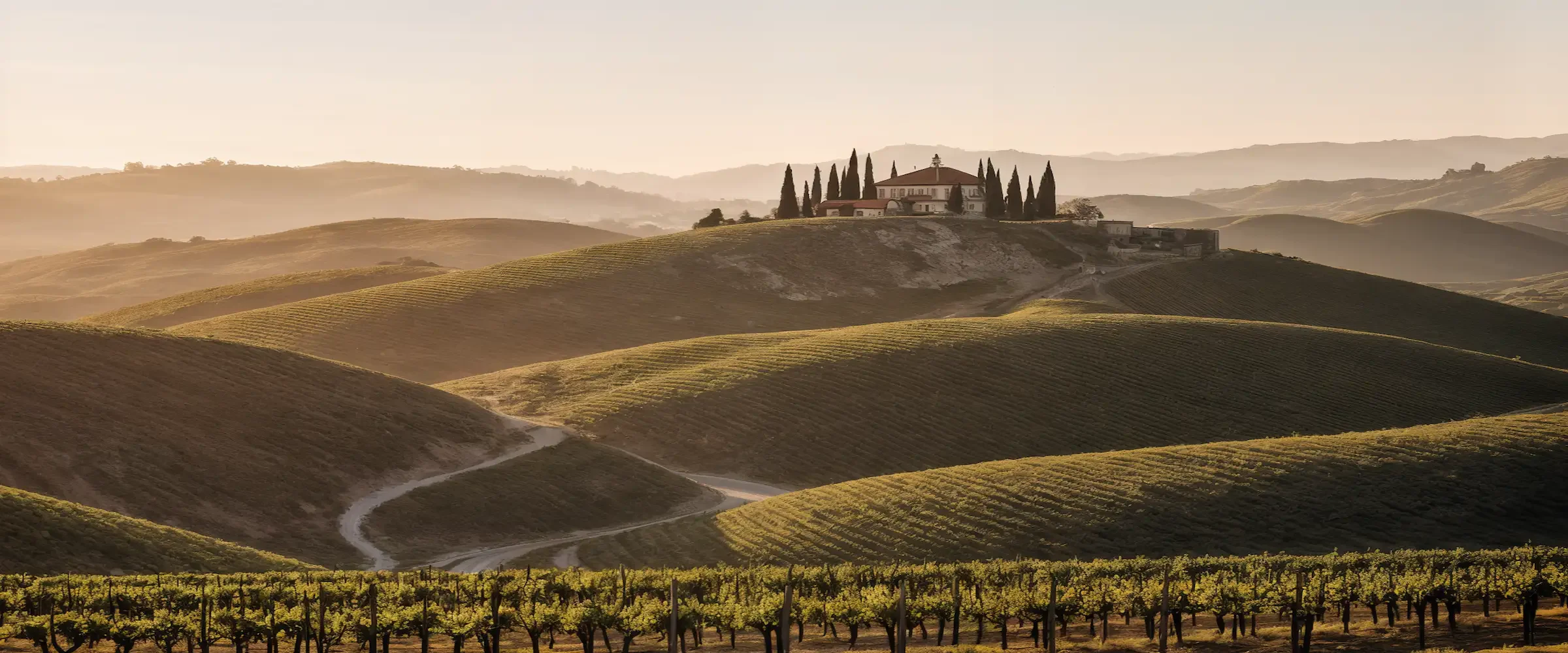
From the medieval hill towns of Chianti Classico to the coastal elegance of Bolgheri, Tuscany is where Sangiovese reaches its highest expression across four distinct identities — the structure of Brunello di Montalcino, the grace of Vino Nobile di Montepulciano, the complexity of Chianti Classico, and the bold ambition of the Super Tuscans that rewrote Italian wine history. Our access spans iconic estates and family producers whose cellars hold generations of tradition alongside younger winemakers pushing Sangiovese and its legendary blends into new territory. Between vineyard visits, experience truffle hunting in San Miniato's forests, pasta making at private estates, Michelin kitchens that treat bistecca alla fiorentina as high art, and Renaissance Florence beyond the tourist path. Wine opens doors throughout the region — to artisan workshops, cultural experiences, and conversations that define Tuscany.
CULINARY ARTS
Rolling pici and pappardelle by hand with a nonna who learned from her grandmother in a kitchen that hasn't changed since, hunting white truffles with trained dogs through San Miniato's misty oak forests where every find is a small celebration, watching freshly pressed olive oil run green and peppery from stone mills that have crushed the autumn harvest for centuries, cooking alongside Michelin-trained chefs who treat the simplest Tuscan ingredients — beans, bread, oil — as the foundation of everything, bistecca alla fiorentina charred over chestnut wood at trattorias where the butcher and the chef have known each other their entire lives, gelato crafted from scratch with master artisans using Bronte pistachios and local cream.
CULTURE & LEISURE
Private viewings of Renaissance masterworks in Florentine palazzos where the Medici once held court, walking medieval hill towns with historians who know which stone archway leads to a hidden chapel and which tower held a prisoner, championship golf at Castiglion del Bosco set among Brunello vineyards in the heart of Montalcino, soaking in Saturnia's thermal cascades where steaming water spills over ancient limestone pools under open sky, helicopter tours over the Tuscan countryside where the patchwork of vineyards and olive groves and cypress-lined roads finally makes sense from above, early morning access to the Uffizi before the doors open to the public — standing alone with Botticelli's Venus in silence.
ARTISAN TRADITIONS
Shaping clay on the wheel in Montelupo Fiorentino where potters have worked the banks of the Arno since the Renaissance, watching leather artisans in Florence's Oltrarno quarter — the last neighborhood where the old workshops survive — cut and stitch by hand the way they did before the fashion houses moved everything to factories, standing inside Carrara's marble quarries where Michelangelo personally selected the stone for David and the raw blocks still gleam white against the mountainside, making pecorino alongside farmers in the Val d'Orcia where the sheep graze the same hillsides you see on every postcard, coopers in Montalcino bending Slavonian oak staves over open flame to build the large botti that give Brunello its character, weavers working Renaissance-era looms in workshops where the patterns haven't changed in five hundred years and the fabrics still supply Florentine houses.
FROM THE PRODUCERS TABLE
The relationships behind the region. Each profile is a first-hand account from years of direct work with the family.
Il Borro
A twenty year friendship with Salvatore Ferragamo and the family who have taken craftsmanship from the workshop to the vineyard to the hotel
Avignonesi
One day at Avignonnesi in Montepulciano ended with lunch on the tuscan hillside and an incredible vertical of Vin Santo, Occhio di Pernice