
Jerez
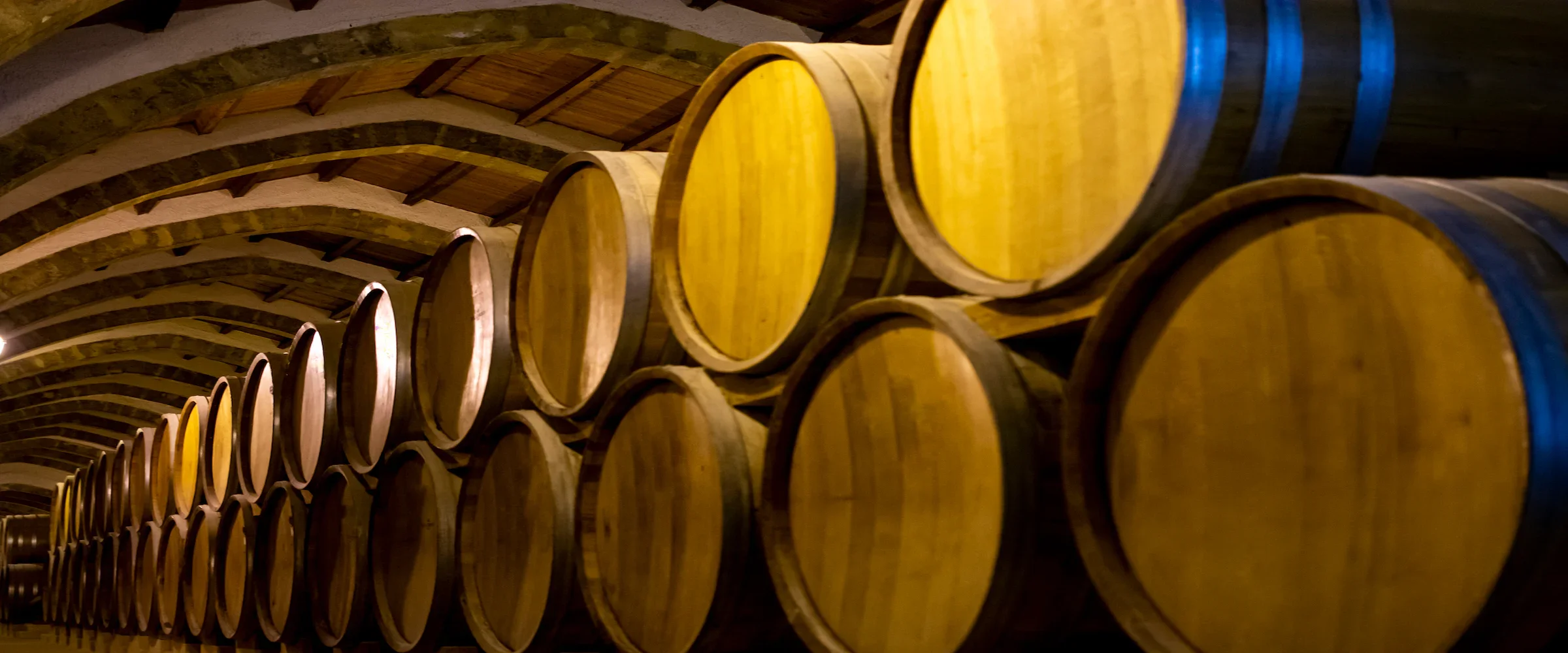
Perched at the southwestern tip of Europe where the Atlantic meets the Mediterranean at the Strait of Gibraltar — close enough to see the coast of Africa on a clear day — Jerez occupies one of the most dramatic geographic crossroads in the wine world. Through the solera system, Sherry achieves a complexity impossible to replicate anywhere else — wines that built empires, were among the first imported to America, yet today remain virtually unknown to modern wine travelers. Our relationships provide access to historic houses whose cathedral-like criaderas hold soleras running continuously for over a century, private tastings of rare VOS and VORS bottlings with decades of average age, flamenco performances in intimate peñas where the art form was born, equestrian traditions at the Royal Andalusian School of Equestrian Art, and the whitewashed beauty of Andalusia's most storied triangle — Jerez, Sanlúcar de Barrameda, and El Puerto de Santa María. Wine provides the gateway to Spain's most misunderstood and rewarding wine region.
CULINARY ARTS
Tapas culture at its most authentic — Jerez invented the concept of the small plate served alongside a glass of Sherry, and the bars of the old quarter still honor that tradition nightly, tortillitas de camarones (crispy shrimp fritters) prepared alongside bone-dry Manzanilla in Sanlúcar de Barrameda, atún rojo de almadraba — prized bluefin tuna caught using ancient Phoenician trap-netting methods off the coast of Cádiz and served every way imaginable during the spring almadraba season, fresh seafood from the Atlantic markets of El Puerto de Santa María where the catch arrives hours old, Sherry vinegar production visits at artisan producers aging vinegar through its own solera system, salmorejo and gazpacho workshops in the Andalusian heat, ibérico pork from free-range acorn-fed pigs in the dehesa grasslands, and Jerez's celebrated tabanco culture — traditional Sherry bars where fino is poured straight from the cask and flamenco breaks out unannounced.
CULTURE & LEISURE
Watching the Royal Andalusian School of Equestrian Art perform their "Dancing Horses" ballet in Jerez — a tradition of horsemanship refined over five centuries that moves with the same precision and passion as the flamenco born in these same streets, an evening in a private peña where flamenco isn't performed for tourists but lived — raw guitar, percussive footwork, and cante jondo singing that started in the Gypsy quarter of Santiago and San Miguel, walking the ancient Alcázar of Jerez where Moorish walls and gardens whisper of the centuries when Al-Andalus shaped everything from the architecture to the vineyards, a day trip to Cádiz — Europe's oldest continuously inhabited city — where the Atlantic crashes against seawalls and the old town's narrow streets open suddenly onto blinding white plazas, exploring the white pueblo villages of Arcos de la Frontera and Vejer perched impossibly on limestone cliffs above the Guadalete valley, catching a horse race on the beach at Sanlúcar de Barrameda at sunset where the crowd stands ankle-deep in the surf and the manzanilla flows from nearby bodegas.
ARTISAN TRADITIONS
Visiting master toneleros who build and repair the solera casks that give Sherry its soul — cooperages where the smell of American oak and old wine has soaked into the walls over generations, watching a guarnicionero craft hand-tooled leather tack for Jerez's famous horses using techniques passed from Moorish saddlemakers through centuries of Andalusian horsemanship, stepping into a guitar workshop where a luthier shapes flamenco guitars by hand from cypress and spruce — instruments built not for concert halls but for the raw intimacy of a Jerez peña, learning the art of abanico fan-making where hand-painted silk and carved bone are assembled with the precision of jewelry, exploring the ancient alfarería pottery workshops where Moorish glazing techniques survive in tiles and ceramics that still decorate Andalusian courtyards, visiting a master botas craftsman in Jerez who shapes the traditional leather wine flasks that riders have carried on horseback across this landscape since the Reconquista.