
Champagne
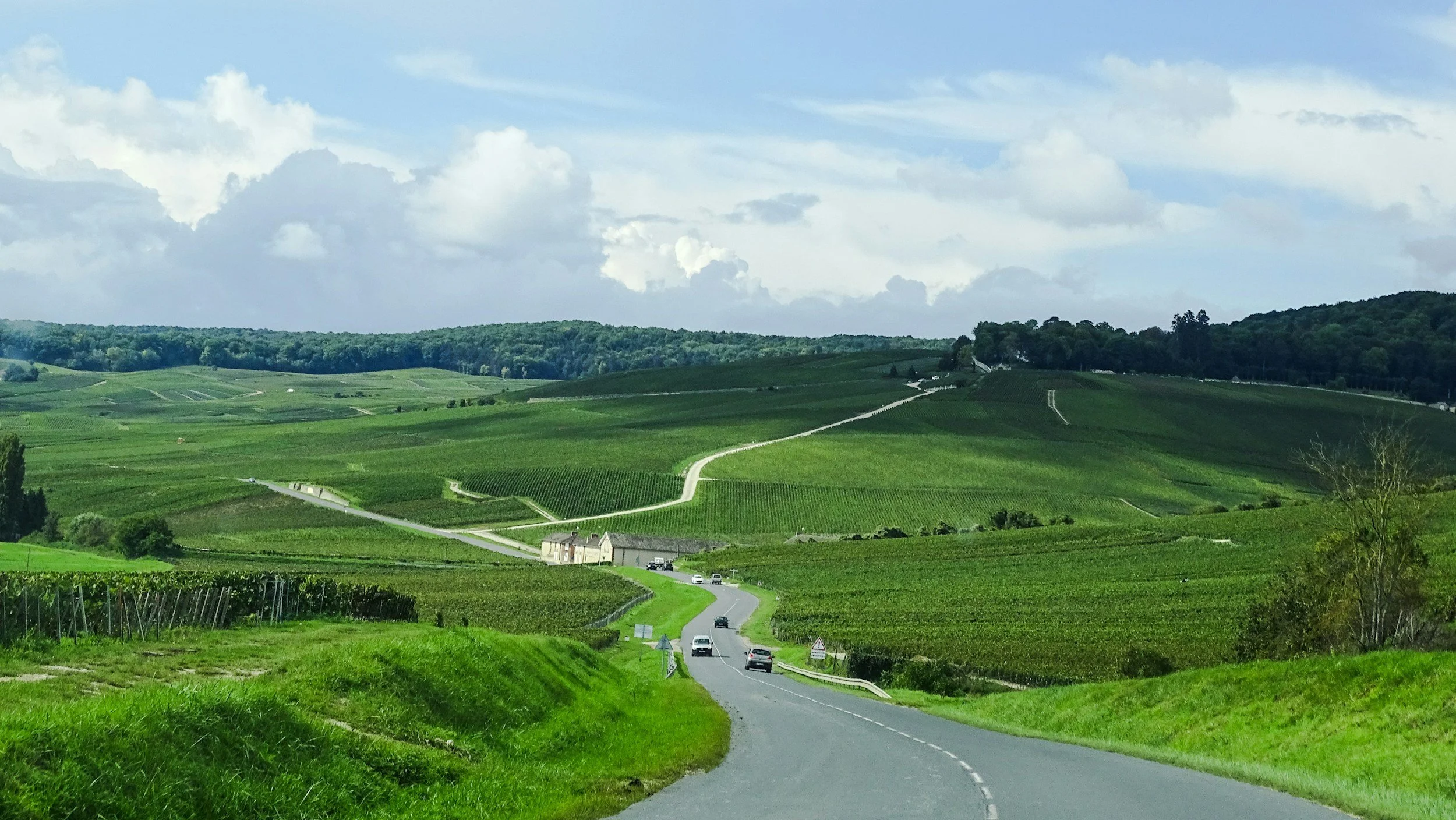
From the grand maisons of Reims to intimate grower-producers in the Côte des Blancs, Champagne reveals itself through relationships, not reservations. This is where French kings were crowned for over a thousand years — where Reims Cathedral witnessed every coronation from Clovis to Charles X, where Joan of Arc stood beside the Dauphin as he became King of France, and where the Gothic masterpiece itself survived two world wars to remain one of Europe's most sacred monuments. Beneath the region, chalk cellars carved from Cretaceous limestone stretch for hundreds of kilometers — Roman crayères repurposed by the great houses as cathedral-scale aging vaults, the same chalk that gives these wines their piercing minerality. Descend into 18th-century cuveries where millions of bottles age in silence, taste vertical collections that reveal how Champagne evolves in ways few expect, and visit récoltant-manipulant producers whose single-vineyard bottlings are redefining the region. Beyond the cellars, explore Reims Cathedral's private chambers, visit artisan biscuit rose makers whose craft dates to the 18th century, and rise above the vineyards by hot air balloon to understand the geography that makes this small, northern region utterly irreplaceable. Wine relationships open every door in Champagne.
CULINARY ARTS
Champagne's cuisine is quietly refined — shaped by northern terroir, centuries of royal influence, and a sparkling wine that found its way into the kitchen as naturally as the glass. Learn the art of biscuits roses de Reims alongside local pâtissiers — the pink, twice-baked biscuits created in the 18th century specifically to be dipped in Champagne, a tradition that remains the region's most beloved ritual. Sit down to Michelin dining in Épernay along the Avenue de Champagne — a single street lined with billions of euros worth of wine aging beneath your feet. Experience pairing dinners at historic estates where chef and cellar master collaborate to match cuvées with courses designed to reveal what textbooks cannot. Visit Chaource farms in the southern Aube, where the creamy, bloomy-rind cheese has held AOC status since 1970 and pairs with blanc de blancs in a way that feels inevitable. Taste the region's charcuterie tradition — andouillette de Troyes, jambon de Reims pressed in parsley aspic, and pâté en croûte that reflects Champagne's position between Burgundy's richness and the north's rustic simplicity. And in hands-on cooking classes, discover how Champagne works as an ingredient — deglazing, braising, and finishing sauces with the same precision it brings to the flute.
CULTURE & LEISURE
Champagne's cultural heritage extends far beyond the cellars. Tour Reims Cathedral privately — the Gothic masterpiece where French kings were crowned for a millennium — and climb the clock tower for a perspective few visitors ever see, looking out over a city that was nearly destroyed in World War I and rebuilt with extraordinary determination. Cross into the Palais du Tau, the UNESCO-listed former archbishop's palace where kings prepared for coronation and celebrated afterward, housing original cathedral statuary and tapestries that survived centuries of conflict. Walk the WWI battlefields with private historians through the trenches, memorials, and tunnels of the Chemin des Dames and the Marne — landscapes where Champagne's vineyards became frontlines and the region's cellars sheltered thousands of civilians underground. Visit the Basilica of Saint-Remi, a Romanesque treasure older than the cathedral itself, housing the tomb of the bishop who baptized Clovis and effectively created Catholic France. Discover Reims' remarkable Art Deco heritage — the Carnegie Library, the Opéra, and dozens of façades that emerged from the city's post-war reconstruction, making Reims one of France's finest collections of interwar architecture. And rise above it all in a hot air balloon at sunrise, watching the morning light catch the neat rows of vines stretching across chalk hillsides in every direction.
ARTISAN TRADITIONS
Champagne's artisan traditions serve the wine with a precision found nowhere else. Visit cork workshops where craftsmen shape and grade the distinctive mushroom-shaped stoppers — engineered to withstand six atmospheres of pressure, each one selected and tested before earning its place in a bottle that may age for decades. Learn the nearly vanished art of wicker basket weaving, where artisans still hand-craft the clissées that once protected every bottle during transport — a tradition born from necessity on rutted roads and now preserved as a craft inseparable from Champagne's identity. Tour cooperages specializing in the fûts and foudres unique to Champagne production, where oak selection and construction differ from Burgundy and Bordeaux because the wine's relationship with wood demands restraint rather than influence. Visit historic glass manufacturers in the region that pioneered the thicker, heavier bottles required to contain Champagne's pressure — a technical challenge that caused catastrophic cellar losses for centuries before the science of bottle-making caught up with the ambition of the winemakers. And in the printing ateliers that produce Champagne's labels, watch artisans demonstrate the engraving, embossing, and foil work behind designs that have made these bottles among the most recognizable luxury objects on earth.