
The Producers Table
This is a series built around the growers, families, and estates behind the bottles. Each edition features a producer Ian Mendelsohn knows personally, has visited, or has worked alongside across a twenty-five year career in wine and spirits. These are not names on a label or bottles on a shelf. They are friends and colleagues earned through harvests, meals, and decades of shared work. What follows is not a tasting room experience. It is access built on trust.
Feudo Montoni
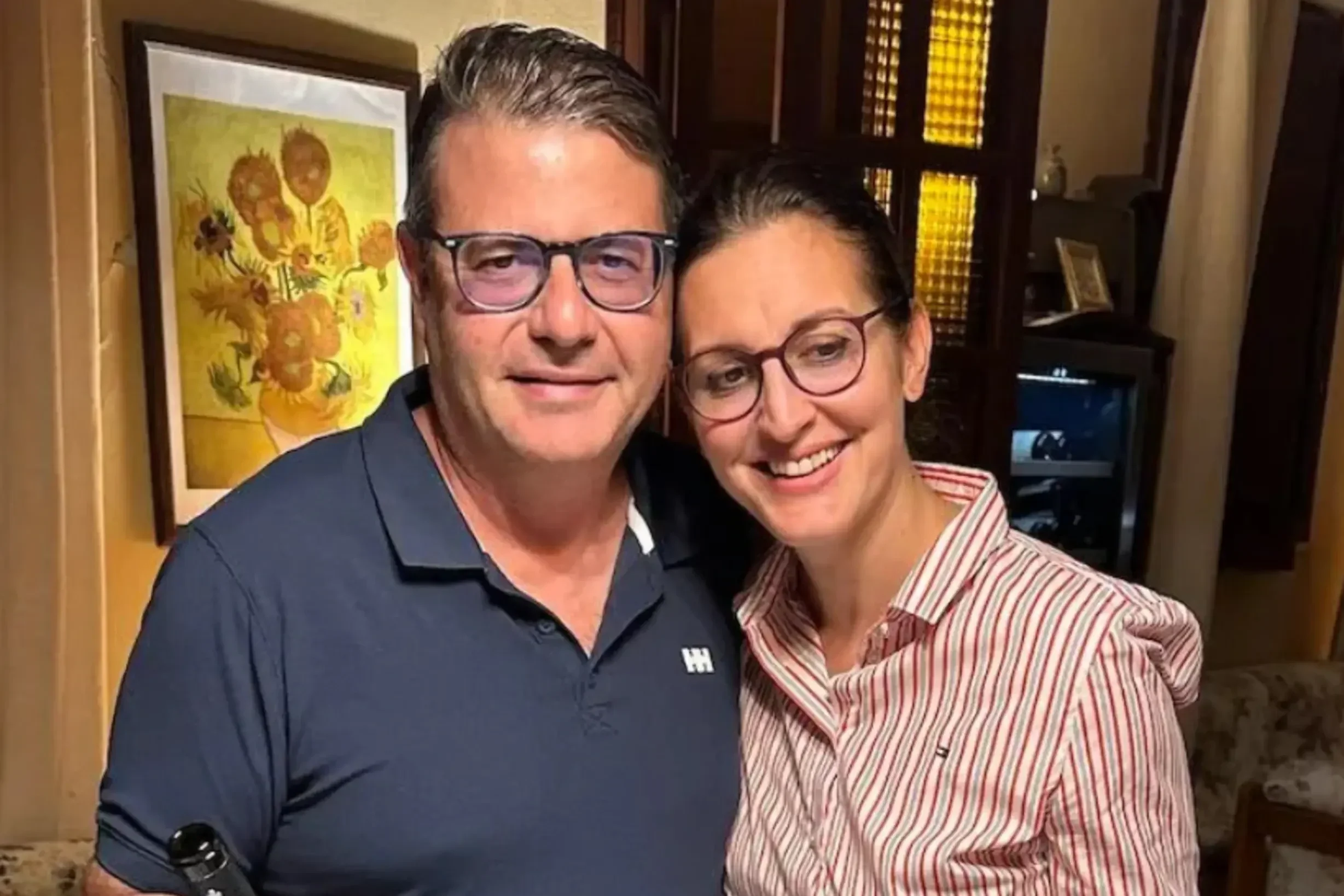
Feudo Montoni has farmed Sicily's high interior since 1469, three generations of the Sireci family joined by Sicilian American chef Melissa Muller of New York's Eolo. Altitude and iron-rich sand turn Catarratto into something singular. Access through Vineyard Confidential.
Feudo Montoni
Cammarata, Sicily, Italy
In the early 2010s there was a restaurant in Chelsea called Eolo: Sicilia a Tavola. The chef and owner was Melissa Muller, a New Yorker whose grandmother came from a Sicilian village of six hundred people, and who spent every childhood summer there. Eolo was purely Sicilian, down to a wine list that carried nothing else and earned a Wine Spectator Award of Excellence four years running. The dish I cannot forget is her casarecce with fava beans and fresh ricotta, twisted noodles holding tender favas, olive oil, garlic, and wild herbs, the ricotta cutting the earthy, faintly bitter edge of the beans. With that plate Melissa put a white wine in front of me I had never heard of. Catarratto, from an estate called Feudo Montoni in the island's high interior. I have been drinking it ever since.
Eolo is gone now, and the reason it closed is the best part of the story. While researching her cookbook, Sicily: The Cookbook: Recipes Rooted in Traditions, Melissa traveled the island and visited Feudo Montoni, where she met the winemaker, Fabio Sireci. She went back and forth between two lives for a while, then chose one. She married Fabio, left New York, and moved to the center of Sicily. Today she co-manages the estate's global sales and commercial work, and the two of them are in the United States often for the trade. I have been trying to cook that fava dish ever since, and with her book I get close. What I cannot reproduce is the way her kitchen served it. The chef who first put this wine in front of me now helps run the estate that makes it.
Feudo Montoni dates to 1469. Rosario Sireci bought the property in the late 1800s after discovering the wealth of ancient vines growing there, and passed it to his son Elio, who passed it to Fabio, the third generation. Fabio trained as an engineer and could have taken a career on the mainland. He came back to the farm instead and learned winemaking at his father's side. His and Melissa's two sons are the fourth generation.
The estate sits in the high interior between Palermo and Agrigento, with vineyards climbing toward 2,300 feet, fanned by winds off the Madonie and Sicani mountains. For centuries the vineyards have been surrounded by durum wheat fields that act as a natural barrier, an island within an island. The farming is certified organic and older than the certification. Nothing is fertilized. Fava beans and peas are sown between the rows to fix nitrogen in the soil, the same beans at the center of the dish that started this story. Sicily's reputation is heat, ripeness, and weight. Montoni's altitude and isolation produce the opposite: freshness, acidity, and restraint.
The Masso vineyard takes its name from the rocky, sandy, iron-rich stone it grows in. It sits at 700 meters, facing east, planted to Catarratto vines now more than fifty years old, grafted by hand onto wild rootstock in the old Sicilian manner. Catarratto is the most planted white grape on the island, concentrated in the west and mostly anonymous. Grown here, in the center, at elevation, on that iron and sand, it becomes something else entirely. This is the argument for the cru concept Fabio works by: one vineyard, one grape, bottled on its own because the ground earns it.
A private visit to Feudo Montoni is not a tasting room stop. Visits are by appointment only and built around the family's table, in the middle of an estate the Sirecis have farmed for three generations.
From The Cellar
2024 Catarratto del Masso, Feudo Montoni
This wine is a great case for why altitude and soil matter more than a grape's reputation. Citrus and mountain herbs over a saline, mineral finish, with acidity that keeps every glass asking for the next one. It is light to medium in body and completely unforced. Most Catarratto disappears into blends and bulk. This one comes off a single iron-rich vineyard at 700 meters, and you taste the address, not the variety.
If the Sicily is on your itinerary CONTACT US
The Slopes Sancerre Forgot: Coteaux de Giennois
Make the beautiful drive south from Paris and about twenty minutes before Sancerre you pass through a small appellation called Coteaux du Giennois. Most people drive right through on their way to the famous name but they miss meeting a family that has farmed the land since the early 1920's. Marc & Yves make wine from the same Sauvignon Blanc grape and flint soils that have made Sancerre the go to summer wine.
Fernand & Fils
Coteaux de Giennois, Loire Valley, France
Sancerre has never been more popular. It is the default white wine order in every American city, the bottle that needs no explanation, the one appellation that sells itself. That popularity has a cost. Five years ago Sancerre was an everyday wine. Today most village bottlings land on American shelves between 35 and 45 dollars, and single-vineyard wines push well past that. The wine did not change. The price did.
Drive twenty minutes north along the Loire and the story changes. The appellation is Coteaux du Giennois. Almost nobody outside France knows the name. The slopes here carry the same flint and limestone that built Sancerre and Pouilly-Fumé, and the grape is the same Sauvignon Blanc. After phylloxera these hillsides were abandoned. The region was judged too cool to ripen Sauvignon reliably, and the local families turned to cattle and grain. The vines disappeared. The land waited.
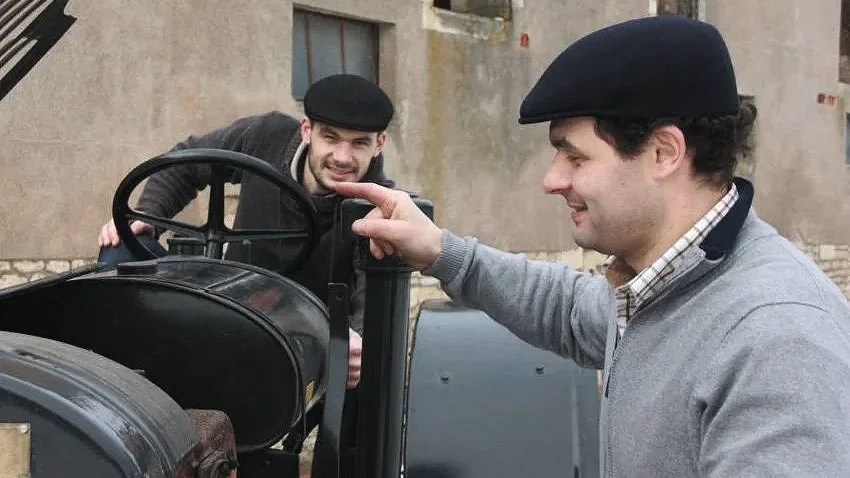
One of those families was the Thibaults. Fernand Thibault was born in 1899 and farmed this ground his entire life. In 1920 he bought the first tractor in the region, a machine his neighbors had never seen in a field. That instinct, respect the land and embrace the tool that works it better, never left the family.
In 1991 his grandsons Jean-Fernand and François made a bet. Sancerre and Pouilly were booming a few miles south, and the abandoned flint slopes above the Loire shared the same geology. They cleared hillsides that had sat empty since phylloxera and replanted Sauvignon Blanc. Their sons finished the job. Marc trained in New Zealand before coming home to lead the winemaking. Yves worked in South America before returning to join him. Together with their cousin Christophe they converted the vineyards to certified organic farming, a century after their great-grandfather bought that first tractor.
The estate still runs on Fernand's logic. Tradition where tradition earns its place, modernity where it serves the wine. They plow between the rows with a hydrostatic tractor that lets the driver work at a crawl without stalling, precise enough to cultivate tight to the vine. They move wine with a slow-speed pump that treats it gently instead of forcing it. Each parcel ferments separately in stainless steel. Nothing about the operation is nostalgic and nothing about it is industrial.
The blanc under the Fernand & Fils label, named for the man with the tractor, comes off silex parcels near the Pouilly-Fumé border. Flint smoke on the nose, stone fruit and citrus underneath, real cut on the finish. It is not built for the cellar. The best Sancerre carries more weight and rewards patience. This wine is leaner, brighter, and ready the day you buy it. In an Atlanta August, with a week of hundred-degree afternoons ahead, that is not a limitation. That is the assignment.
The wine world spends enormous energy chasing famous names at rising prices. The better play is knowing which unfamous names share the famous geology. A family that has farmed the same ground since before the appellation existed. Vines replanted on slopes their neighbors gave up on. The same grape, the same river, the same flint. One of the best values in the Loire, hiding twenty minutes from one of its most expensive addresses.
From The Cellar
2024 Coteaux de Giennois Blanc
A fruity aroma featuring abundant notes of peach, apricot, and melon. The well-textured palate continues with more stone fruit flavors, complemented by hints of quince and a strong mineral presence from the terroir. This wine offers excellent value, showcasing vibrant Sauvignon Blanc qualities and wonderful for a lunch with friends and family, and a treat with some fresh goat cheese.
If the Loire Valley is on your itinerary CONTACT US