Umbria
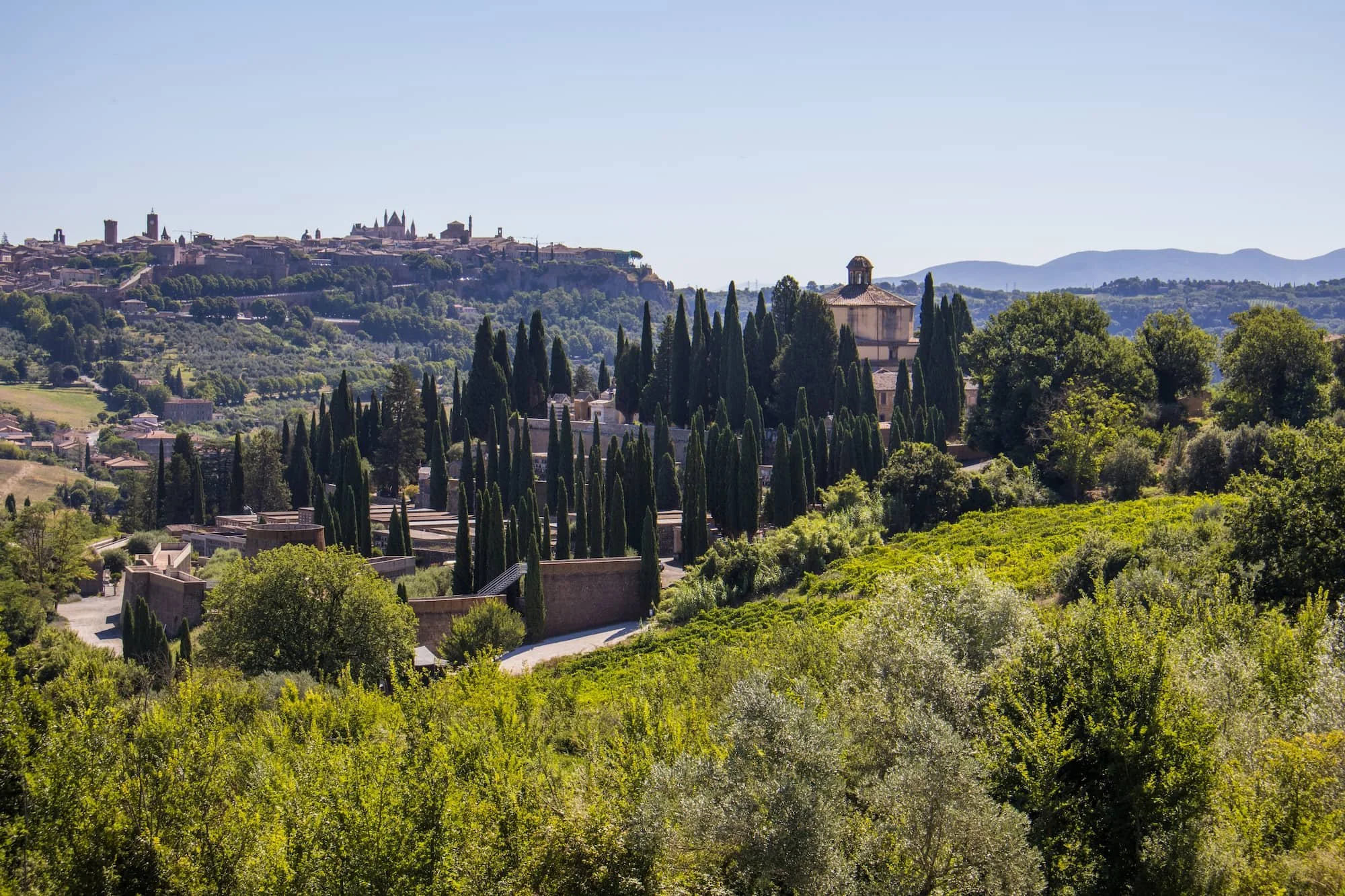
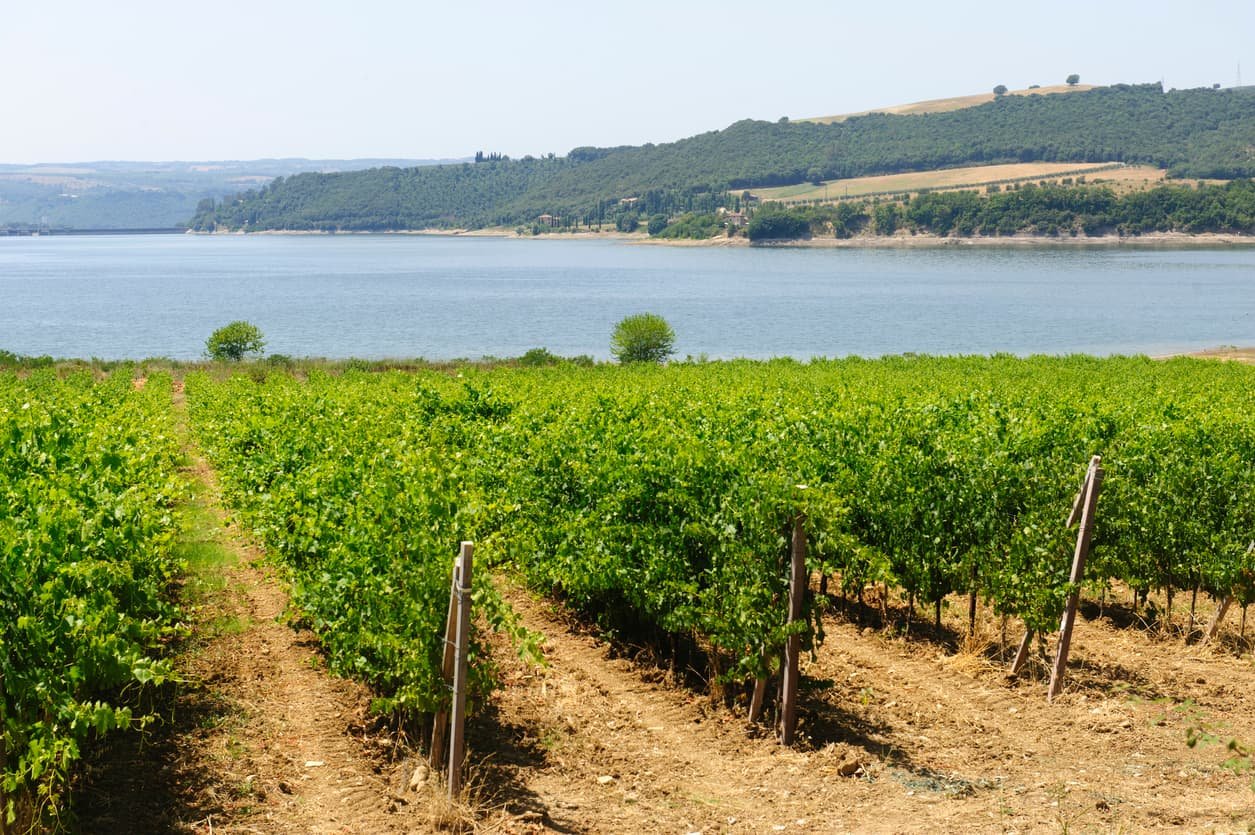
Umbria is the only region on the Italian peninsula that touches neither the sea nor another country, so its water rises from the ground. At Campello the Clitunno springs come up cold and clear, and Virgil and Byron both wrote about them. The Tiber runs south to Torgiano, where it meets the Chiascio, and where the Lungarotti family built Rubesco and a wine museum on the same hill. Above the valley, Montefalco grows Sagrantino, one of the most tannic red grapes in Italy. Arnaldo Caprai proved what it could become. Antonelli farms it in the hills of San Marco. Paolo Bea makes it the old way, with nothing added and nothing rushed. In Orvieto the cellars are cut into the volcanic tufa beneath the town. I build the week around those cellars, those tables, and the quiet hours between them.
CULINARY ARTS
Before dawn in the oak woods outside Norcia, a hunter and his dog work the cold ground for black truffles, the nero pregiato that comes up from December through March. In autumn the white truffle rises in the upper Tiber valley around Città di Castello and Gubbio, and both towns hold a fair in its honor. You walk the woods with the hunter, then eat what he found an hour later, shaved over strangozzi or eggs. Norcia gave Italy the word for pork butcher, and a norcino there still cures prosciutto the way his grandfather did. Lentils come from the high plain at Castelluccio. Olive oil from the hills around Trevi is pressed in autumn and poured green at the mill.
CULTURE & LEISURE
The upper church at Assisi holds the fresco cycle of Saint Francis, long attributed to Giotto. Luca Signorelli painted the end of the world across a chapel in Orvieto’s cathedral. Benozzo Gozzoli finished the frescoes in Montefalco’s church of San Francesco in 1452. In Città di Castello, Alberto Burri filled the town’s old tobacco drying sheds with his largest works. Summer brings the Festival dei Due Mondi to Spoleto and Umbria Jazz to Perugia. In 271BC the Romans cut a channel to drain the Velino into the Nera and made the Marmore Falls, 165 meters high and still the tallest man-made falls in the world. In Orvieto, a well dug for Pope Clement VII drops 62 meters on two spiral stairways that never meet.
ARTISAN TRADITIONS
Deruta has painted maiolica since the Middle Ages, and its workshops still decorate every piece by hand. In Gubbio, potters keep alive the ruby lustre Mastro Giorgio made famous in the 1500s. In Montefalco, the Pardi family weaves Umbrian linen on looms a short walk from the Sagrantino vines. Each June, Bevagna returns to the Middle Ages for the Mercato delle Gaite, and its guilds make paper, silk, and candles by medieval methods.